
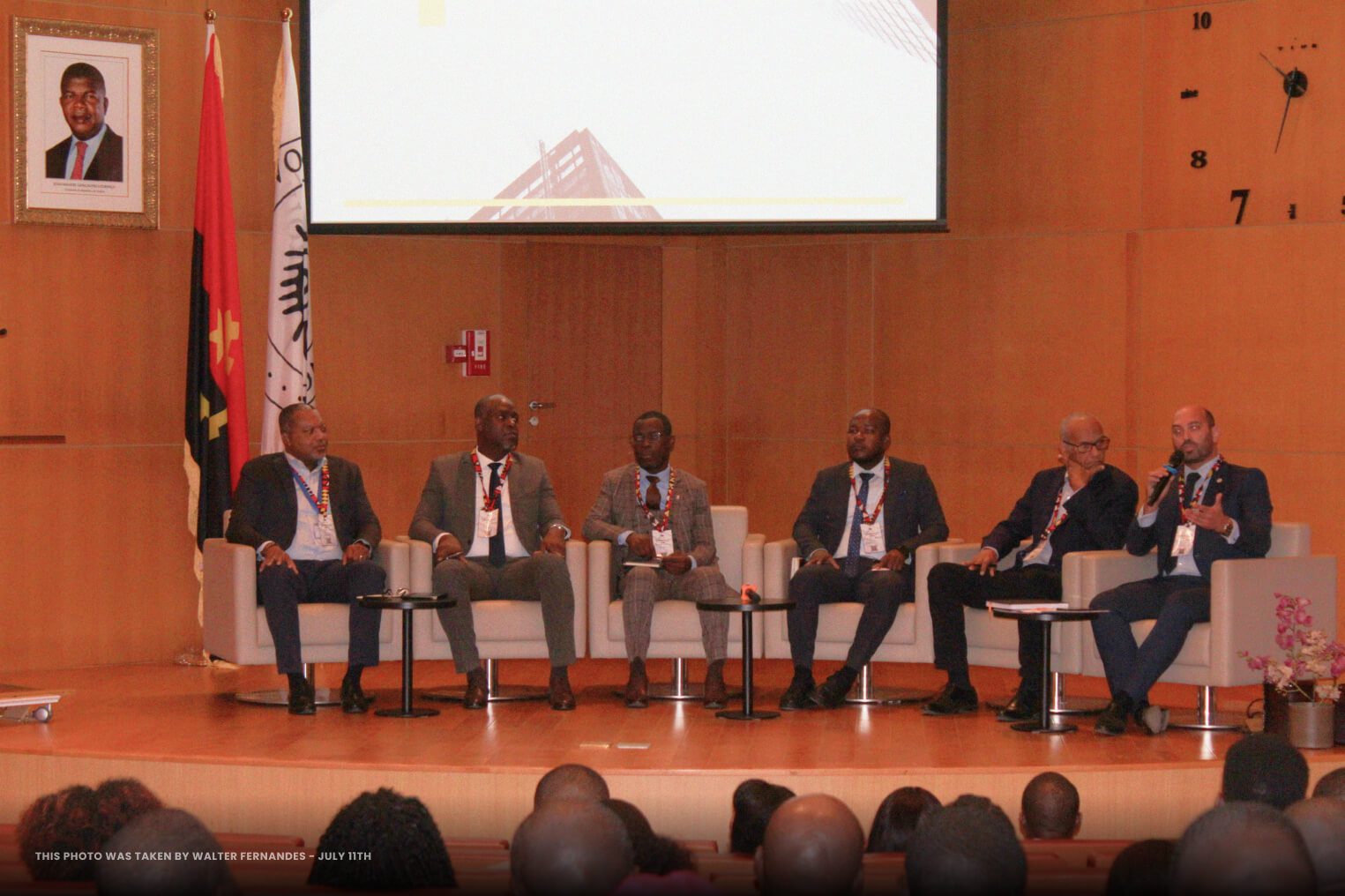
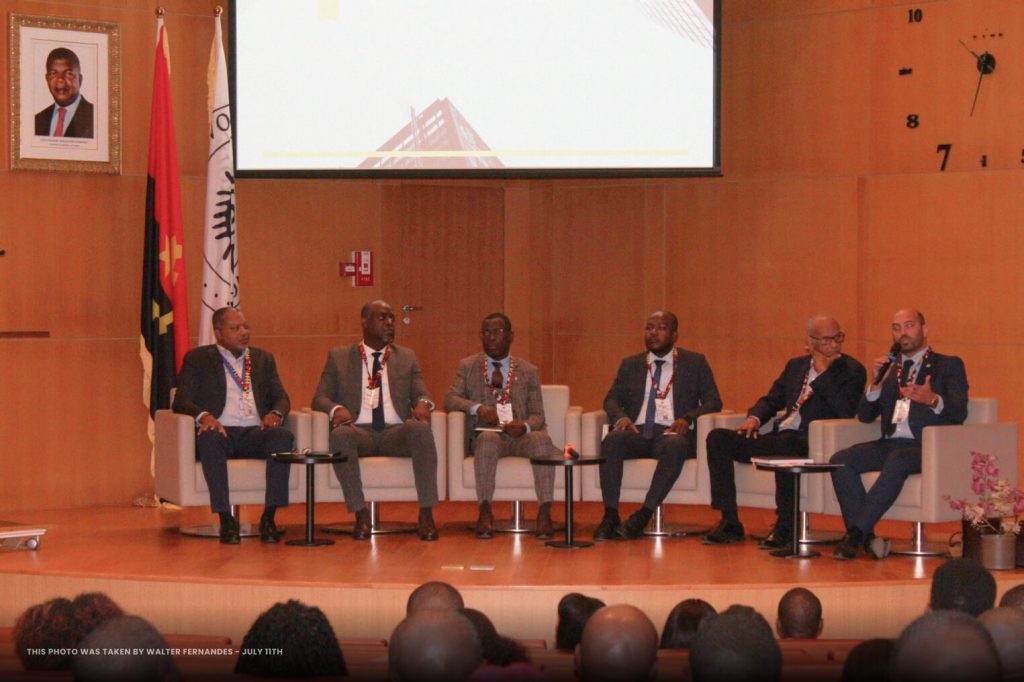
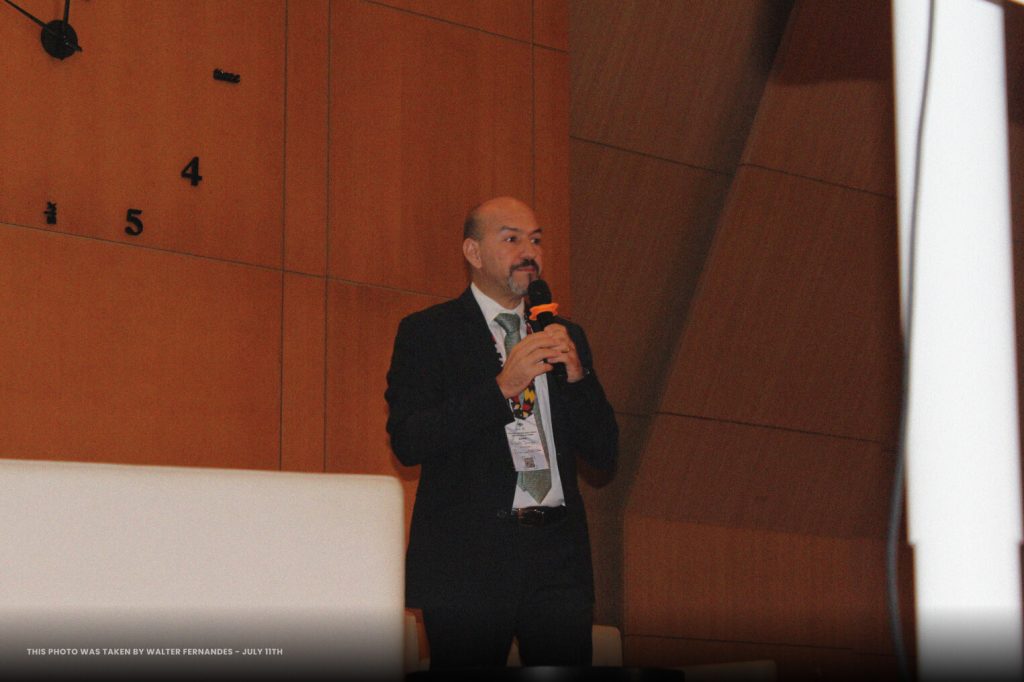
Last Thursday, July 11, the National Archives hosted the 1st Forum on Standardization in the Construction Sector in Angola. The event was organized by INIQ – National Institute for Quality Infrastructure, in collaboration with AIMCA – Association of Construction Materials Industries of Angola, and the AAPC – Angolan Association of Designers and Consultants.
We all understand that standardization in the construction industry is crucial for many reasons. Standardization ensures that all stakeholders, from designers to contractors, follow established guidelines that guarantee the safety, quality, and durability of construction projects. This alignment not only streamlines the construction process but also mitigates the risks associated with non-standard practices.
- Risks of non-compliance
The lack of regulation in construction can lead to several harmful outcomes. Without standardized guidelines, the quality of materials and construction practices can vary widely, resulting in structures that may not withstand environmental stresses or the test of time. This inconsistency poses significant risks to occupant safety and can result in increased maintenance costs and potential legal liabilities for construction companies.
- Benefits of regularization
Regularization in the construction sector brings numerous benefits:
- Safety and Reliability: Adherence to standards ensures that all construction practices meet minimum safety requirements, reducing the likelihood of accidents and structural failures.
- Quality Assurance: Standardized procedures and materials contribute to the consistent quality of construction projects, ensuring that buildings are durable and fit for purpose.
- Cost Efficiency: By following standardized practices, companies can avoid the costs associated with rework and repairs due to non-compliance or substandard construction.
- Environmental Protection: Standards often include guidelines for sustainable construction practices, which help reduce the environmental impact of construction projects.
- Increasing durability through standardization.
The durability of civil construction projects is significantly increased through standardization. When all elements of a construction project, from design to material selection and execution, follow established standards, the resulting structures are more resistant to wear and tear, environmental conditions, and usage demands. This longevity not only provides better value for money, but also contributes to the overall sustainability of infrastructure development in the country.
Read ➡️here on the catalog of current standards of INIQ – National Institute for Quality Infrastructure.
We would like to congratulate the regulatory institutions for the great work they have been doing. However, the appeal remains: in addition to encouraging companies to adhere to standards, it is necessary to work in partnership with academia. This collaboration is essential to promote professionals who are more aware of the importance of standards and their role in ensuring the quality and safety of our built environment.
By fostering such partnerships and promoting adherence to standardized practices, we can truly build a country where the construction sector in Angola is synonymous with excellence and reliability.




 Português
  English